Published April 11, 2026
Updated October 1, 2026
By Anthony Pennacchi & Sons Team
Anthony Pennacchi & Sons Blog
Florida 40-Year Building Recertification: What Gets Flagged and How to Prepare
Florida condo buildings now face a state milestone inspection, and Miami-Dade and Broward have their own recertification rules. Here is what gets flagged and how to get ahead of it.
The Short Answer
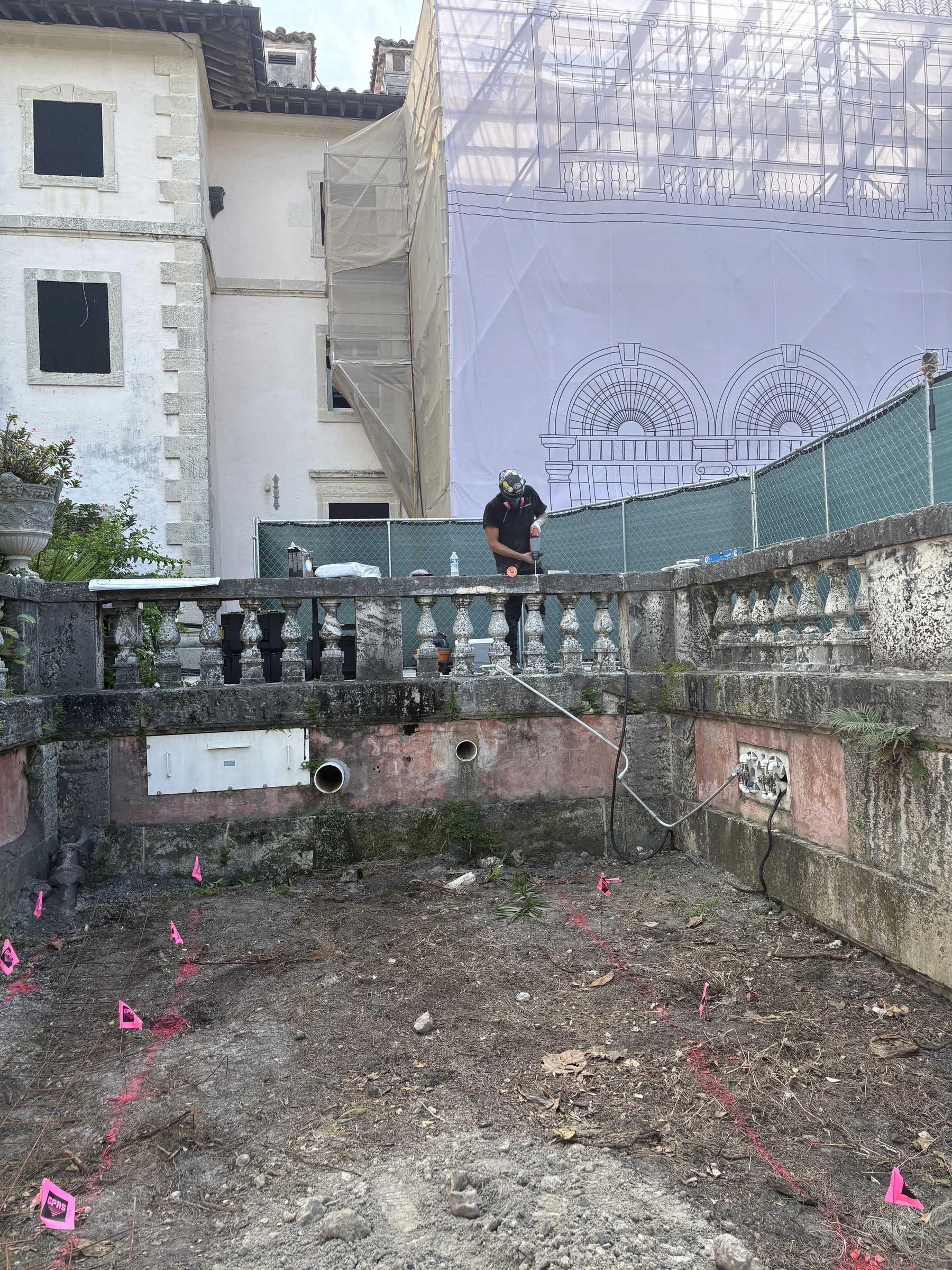
"40-year recertification" is the name people still use for two things: the long-running building recertification programs in Miami-Dade and Broward counties, and Florida's statewide milestone inspection for condominium and cooperative buildings. Either one can send a building owner or condo board a list of repairs. Most of what gets flagged on the outside of a building is masonry and restoration work: cracked stucco, concrete damage, failed caulking and worn-out waterproofing.
Who Has to Comply
After the Champlain Towers South collapse in Surfside in 2021, Florida passed Senate Bill 4-D in 2022 and adjusted it in 2023. The statewide milestone inspection applies to condominium and cooperative buildings three stories or taller. The first inspection is due when the building reaches 30 years old, and then every 10 years after that. A local building department can require the first one at 25 years based on local conditions, such as being close to salt water.
Miami-Dade and Broward counties have run their own recertification programs for decades, which is where the "40-year" name comes from. Those programs can apply to other kinds of buildings too, and they include an electrical inspection.
Single-family homes are not covered by the state milestone inspection. Because the rules depend on your county, your city and how your building is used, your local building department is the place to confirm whether and when your building is due.
What the Structural Inspection Looks At
A licensed engineer or architect does the inspection and reports to the local building department. On the structure, they look at:
- Columns, beams and load-bearing walls, for cracks, broken concrete, rusting steel and signs the building has shifted
- Outside walls and stucco, for cracks, loose stucco and water getting in
- Balconies, stairs and walkways, since flat concrete that sits in the rain is one of the riskiest parts of a Florida building
- Windows and doors, for corrosion and how well they are anchored
- Waterproofing on pool decks, parking decks, planters and open walkways
If the first look finds serious deterioration, the engineer can call for a more detailed second phase. Electrical work flagged under the county programs is handled by electrical professionals, not masonry contractors.
The Repairs That Get Flagged Most
Cracked and loose stucco is common on older South Florida buildings. Years of heating and cooling open cracks at joints, corners and window frames. Fine cracks can be filled. Loose sections are cut out and replaced to match the surrounding texture.
Concrete spalling on balconies and columns is more serious. Spalling is concrete breaking away because the steel inside has rusted and swelled. The repair means removing the damaged concrete back to solid material, treating the steel and rebuilding the section. Our commercial concrete restoration services cover this work. Balconies have their own page: balcony repair.
Old caulking at windows, expansion joints and pipes is usually long past its useful life on an older building. See our commercial caulking service.
Worn-out waterproofing on pool decks, parking decks and walkways is another frequent item. Our commercial waterproofing services cover removing old systems, repairing the concrete underneath and putting down new ones.
Once the structural and caulking repairs are done, a new elastomeric coating seals the walls and helps the repairs last.
How the Process Usually Goes
Get the Report Reviewed
A restoration contractor reads the engineer's report, walks the building and prepares a scope of work.
Sort Out Permits
Ask the building department which repairs need permits before work is scheduled. The engineer, the contractor and the board all work from that answer.
Do the Repairs
The time this takes depends on the size of the building and what was found, from a few weeks for small items to months for a full exterior restoration.
Final Sign-Off
The engineer or architect comes back to confirm the work and reports to the building department.
A common mistake is waiting until the deadline is close before calling a contractor. Starting as soon as the report arrives gives you the most choice on schedule.
Work With a South Florida Restoration Contractor
Anthony Pennacchi & Sons is a fourth-generation masonry and restoration company, established in 1947. We handle the kinds of repairs these inspections flag on condo and commercial buildings across South Florida. See our condo building restoration work.
If you have an inspection report in hand or your building is coming due, call (561) 475-0775. We can walk the building, go through the report and give you a clear picture of the repairs. Palm Beach County, Broward County and the surrounding area. FL License CGC1538576.
Frequently Asked Questions
What Is Florida's 40-Year Building Recertification?
It is the common name for building safety inspections in Florida. Miami-Dade and Broward counties have long required recertification of older buildings, and since 2022 the state requires a milestone inspection of condominium and cooperative buildings three stories or taller at 30 years, then every 10 years. A licensed engineer or architect does the inspection.
Which Buildings Need a Milestone Inspection?
Under the state law, condominium and cooperative buildings three stories or taller. The first inspection is due at 30 years, or at 25 years if the local building department requires it. Miami-Dade and Broward also run their own recertification programs. Your building department can confirm what applies to your building.
What Happens If a Building Fails the Inspection?
The building department sets out what must be repaired and the time allowed. Local officials can take action against a building that does not comply, and a building found unsafe can be ordered vacated until repairs are made.
Can a Masonry Contractor Handle the Repairs?
Yes, for most of what is flagged on the outside of a building. Stucco repair, concrete spall repair, caulking, waterproofing and coating are all masonry and restoration work. Anthony Pennacchi & Sons can review the engineer's report and give you a scope of work for those repairs.