Published November 10, 2025
By Anthony Pennacchi & Sons Team
Anthony Pennacchi & Sons Blog
Florida Home Flooding?
The First 60 Minutes Decide Everything
You have about 60 minutes before a ground-level flood goes from "cleanup" to "demolition." Most homeowners spend that hour calling their insurance company, moving furniture, or waiting for someone to tell them what to do. By the time a mitigation crew arrives, the water has wicked up the drywall, saturated the slab perimeter, and started the mold clock that insurance adjusters will later use to deny part of the claim. Here is exactly what to do in the first hour to limit the damage and protect your ability to recover the cost.
You face decisions under pressure: Identify the flood source, secure the area, remove water safely, dry thoroughly, repair affected sections, and prevent recurrence.
This guide from Anthony Pennacchi & Sons provides detailed actions for each phase. Follow proven methods used by masonry and waterproofing experts.
By the end of this article, you'll know how to:
- • Recognize flood causes in your specific Florida home setup
- • Execute safe initial responses to minimize risks
- • Decide when professional intervention saves time and money
- • Understand the complete restoration sequence
- • Apply effective measures to keep your property dry long-term
Common Causes of Flooding in Florida Homes
Florida homes encounter water from various entry points. Heavy rainfall saturates surrounding soil. This builds pressure against foundation walls. Water forces its way through joints or porous concrete. In Palm Beach County, tropical storms deliver intense downpours that test drainage systems.
Runoff from roofs overwhelms gutters and directs flow toward the house. Florida's flat terrain and high water table make flooding more common than in other states.
Plumbing issues trigger internal floods:
- • Pipes burst from age or corrosion
- • Supply lines to appliances fail under constant use
- • Drain lines clog and back up
- • Sewer systems overload during storms, reversing flow into your home
Foundation cracks allow seepage:
- • Settlement shifts the ground over time
- • Expansive soils swell and contract
- • These movements open gaps in concrete
- • Hydrostatic pressure pushes groundwater inward -- foundation waterproofing prevents this
Local conditions influence risks. Palm Beach experiences high humidity and salt air. These factors accelerate corrosion in metal components. Florida's limestone bedrock and slab foundations require special waterproofing attention.
Immediate Actions to Take When Your Home Floods
Water rises fast in a flood. Prioritize safety above all. Locate your electrical panel. Shut off circuits for affected areas. Avoid contact with wet switches. Call your utility company if access poses danger.
Evacuate everyone from the flooded space:
- • Keep pets and children in safe, dry areas
- • Contaminated water carries bacteria
- • Never enter standing water if power is still on
Assess the water type:
- • Clean sources come from supply lines
- • Gray water holds minor contaminants
- • Black water contains sewage - treat with extreme caution
Gear up properly:
- • Wear rubber boots
- • Wear gloves
- • Wear eye protection
- • Use N95 masks for odors
Document thoroughly. Photograph water levels on walls and furniture. Video the scene slowly. Note the exact time - this supports insurance filings.
Identify the inflow source. Shut the main water valve for internal leaks. Contact emergency services. Restoration crews arrive equipped for large-scale extraction.
Professional Water Mitigation vs. DIY
Homeowners attempt DIY for minor incidents. Tools limit effectiveness in major floods. Standard shop vacuums manage small puddles but capacities exhaust quickly on volumes over 50 gallons.
Professional crews deploy specialized equipment:
- • Truck-mounted extractors pull water at high rates
- • Moisture meters detect hidden saturation
- • Penetrating probes measure inside walls
- • Infrared cameras reveal cold wet spots
- • Industrial dehumidifiers process large air volumes
- • Desiccant units handle Florida's high humidity
Monitoring occurs daily. Psychrometric charts track progress. Adjustments maintain optimal conditions. DIY efforts extend timelines. Partial drying invites secondary issues.
Local expertise matters in Palm Beach. Teams understand Florida's slab foundations, limestone bedrock, and high groundwater levels. Choose based on flood scale - minor seepage allows careful home handling, but widespread water demands experts.
The Restoration Process After Flooding
Mitigation completes the wet phase. Restoration rebuilds and strengthens. Technicians conduct detailed inspections with borescopes and cameras.
Water categories guide actions:
- • Clean water permits salvage in some cases
- • Contaminated sources mandate removal
- • Demolition targets saturated materials
Drywall cuts occur 18 inches above water lines. Insulation extracts completely. Floor coverings lift. Hardwood assesses for cupping. Carpet pads discard always.
Mold treatments apply if growth appears:
- • HEPA vacuuming removes spores
- • Encapsulation seals minor remnants
- • Anti-microbial paints protect surfaces
Source repairs address root problems:
- • Foundation crack repair uses epoxy for static gaps
- • Urethane injections flex with movement
- • PEX lines offer durability for plumbing
Reconstruction uses resilient products. Cement board resists moisture. Vinyl plank floors install over membranes. GFCI outlets install for safety. Final testing verifies dryness through air sampling and spore counts.
How to Prevent Future Flooding in Florida
Prevention builds on understanding vulnerabilities. Implement layered defenses specific to Florida's conditions.
Exterior grading directs water away:
- • Achieve positive slope with added soil
- • Compact properly to avoid settling
- • Downspout extensions carry roof water far away
- • Underground pipes connect to storm drains
Foundation waterproofing includes:
- • Cementitious coatings fill pores
- • Elastomeric membranes bridge cracks
- • Interior drainage systems collect seepage
- • Perimeter channels lead to pumps
Regular maintenance prevents surprises. Clean gutters seasonally. Inspect seals around doors and windows. Monitor for cracks in foundation slabs.
Florida-Specific Considerations:
- • Hurricane preparedness: Have sandbags ready
- • High water table: Install proper drainage systems
- • Tropical storms: Clear storm drains before hurricane season
- • Slab foundations: Regular inspections for cracks
- • Salt air corrosion: Use corrosion-resistant materials
Why Anthony Pennacchi & Sons for Flood Restoration in Florida
In West Palm Beach, Anthony Pennacchi & Sons applies masonry skills to waterproofing. Our craftsmen seal foundations with proven techniques developed over decades. We understand Florida's unique challenges - from limestone foundations to tropical storm flooding.
Why Choose Us:
- 75+ Years of Florida Experience: We understand local conditions and building requirements
- Slab Foundation Experts: Specialized in Florida's unique foundation systems
- Hurricane-Ready: Emergency response for tropical storms and hurricanes
- IICRC Certified: Industry-standard restoration protocols
- Advanced Equipment: Industrial dehumidifiers designed for Florida humidity
- Insurance Assistance: Complete documentation for claims
Need help with your property?
4th-generation experts. 75+ years of experience. estimates.
Call (561) 475-0775No obligation. FL License CGC1538576.
Related Services
Conclusion
Florida flooding requires immediate action and professional expertise. From tropical storms to plumbing failures, Anthony Pennacchi & Sons provides complete flood restoration services. Protect your property and restore it efficiently. Contact Anthony Pennacchi & Sons at (561) 475-0775 for expert flood restoration in West Palm Beach and Palm Beach.
SHARE
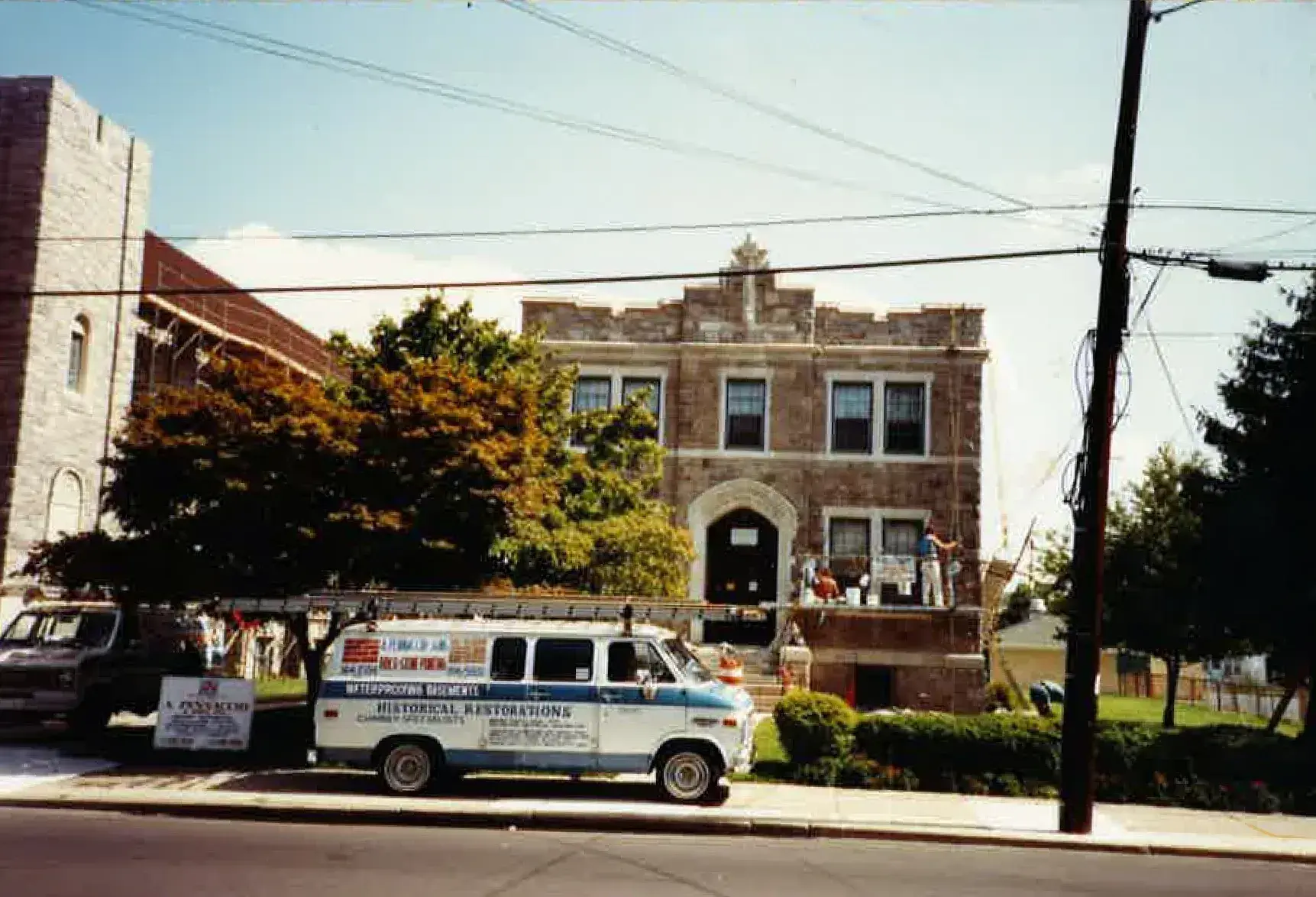
Experience Our Award-Winning Service
See why The Monitor and other publications feature Anthony Pennacchi & Sons. Contact us today for your next project.